

A recent viral case from Hong Kong described a woman who reportedly “lost 10 years of memory” after excessive straining due to constipation. Even though it sounds absurd, and borderline impossible, the condition is a benign but rare neurological problem known as Transient Global Amnesia (TGA). This article explains the case, underlying mechanisms, and key clinical insights.
Join Weekly Health Newsletter
Every week, I will share with you information about Natural Health, Diet, Exercise, Yoga & Wellness.
WHAT HAPPENED IN THE HONG KONG CASE?

A middle-aged female from Hong Kong presented with the chief complaints of :
- Sudden memory loss (reported as ~10 years)
- Confusion with preserved consciousness
- Repetitive questioning
She was suffering from constipation for the past 2 weeks, and the symptoms started while she was straining during defecation for a long time.
The episode lasted several hours and resolved spontaneously, with the patient having no memory of the event itself. This presentation is classical for TGA.
WHAT IS TRANSIENT GLOBAL AMNESIA?
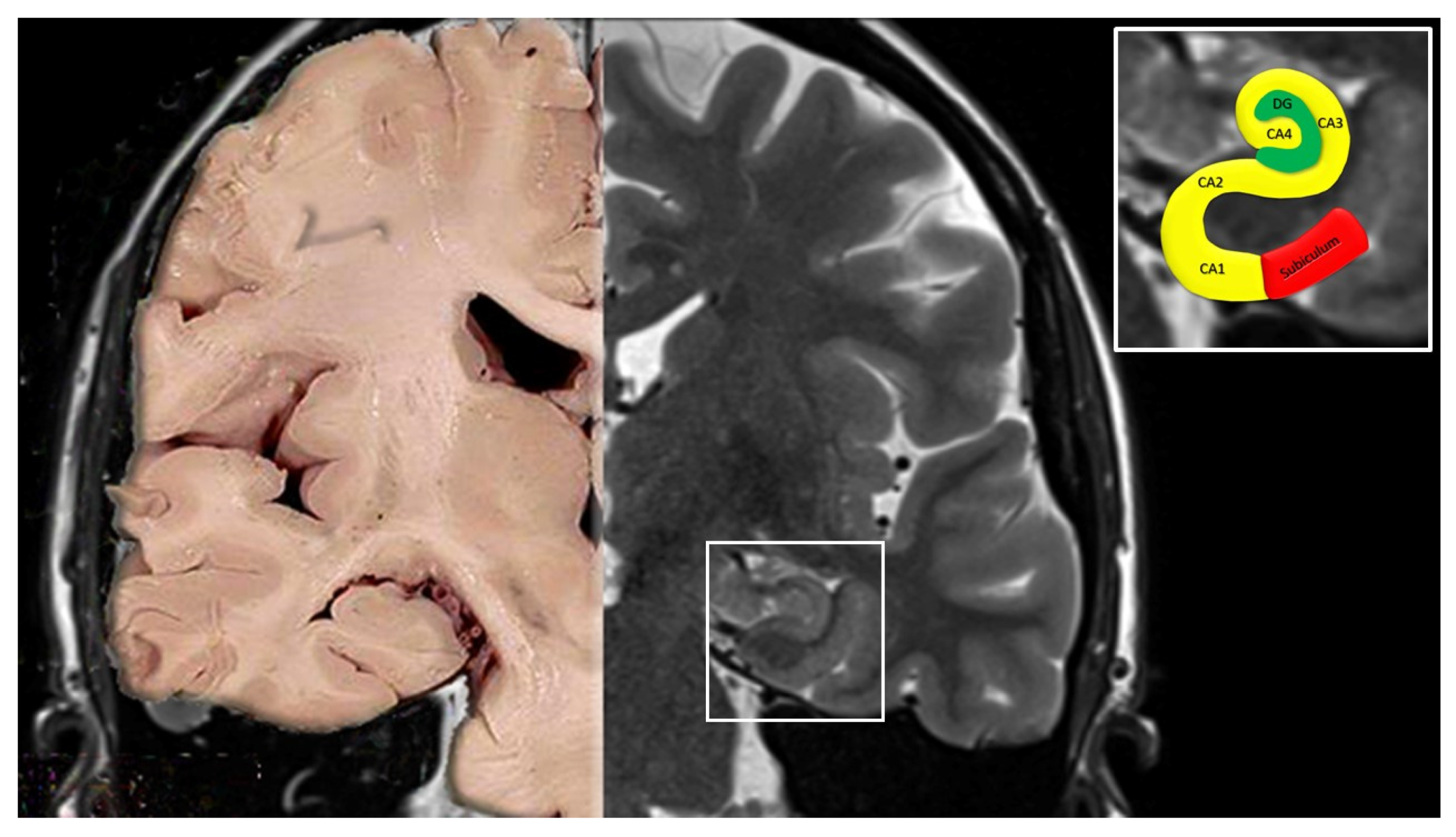
Transient Global Amnesia (TGA) is a benign and temporary loss of anterograde memory with the preservation of remote memories and immediate recall. It is characterised by:
- Inability to form new memories (anterograde amnesia)
- Partial loss of past memories (retrograde amnesia)
- Repetitive questioning
- Preservation of identity and alertness
Diagnostic Criteria
Hodge and Warlow (1990) described the criteria to be used for diagnosing a patient as TGA.
- The attack was witnessed and reported.
- There was obvious anterograde amnesia during the attack.
- There was an absence of clouding of consciousness.
- There were no focal neurological signs or deficits during or after the attack.
- There were no features of epilepsy.
- The attack resolved within 24 h.
- The patient did not have any recent head injury or active epilepsy
Risk Factors
Physical exertion, swimming, sexual intercourse and use of marijuana and Viagra are some of the factors but the greatest risk factor for TGA is a history of migraines.
THE HIDDEN MECHANISMS
Although the exact pathogenesis is not confirmed yet, there are a few existing theories.
Impairment of Brain Venous Drainage
A 2019 research article published in Frontiers in Neurology investigated if TGA could be caused by cerebral venous outflow abnormalities using imaging techniques like Doppler ultrasound and MRI. They compared internal jugular and vertebral venous flow during rest and Valsalva manoeuvre against healthy controls.
Results indicated that many TGA patients displayed abnormal venous hemodynamics, such as insufficient internal jugular vein drainage or reflux, especially during increased intrathoracic pressure. They support a link between venous congestion and transient hippocampal ischemia or metabolic disturbance as a plausible TGA mechanism.
Disturbance of Venous Flow Patterns
Hans H. Bartsch et al also try to find a link between TGA and abnormal internal jugular venous drainage. They too proposed the mechanism to be venous congestion during Valsalva-like manoeuvres. Using duplex ultrasonography, they found that a substantial proportion of TGA patients displayed retrograde flow or incompetent valves in the internal jugular veins, abnormalities rarely observed in controls. These flow disturbances were thought to cause transient venous hypertension within the brain’s memory-critical regions [hippocampus]
In a 2006 research paper published in the Nederlands Tijdschrift voor Geneeskunde, The authors observed that many TGA episodes occurred following conditions elevating central venous pressure, such as Valsalva-like maneuvers, emotional stress, or immersion in cold water.
THE CAUSE OF MEMORY LOSS
The hippocampus, especially the CA1 region, is highly sensitive to:
- Reduced blood flow
- Venous congestion
During a Valsalva maneuver:
- Transient dysfunction of hippocampal neurons occurs
- This leads to temporary inability to form and retrieve memories
Importantly, this is functional impairment, not permanent brain damage.
DIFFERENTIAL DIAGNOSIS
Before diagnosing TGA, it is essential to rule out:
- Transient Ischemic Attack (TIA)
- Seizure (post-ictal confusion)
- Syncope-related hypoperfusion
- Psychogenic amnesia
PROGNOSIS
The prognosis is great, with full recovery expected 🙂
0 comments