

Imagine your muscles suddenly tightening like a clenched fist, and then a loud noise or an unexpected touch making them seize even harder For people with stiff person syndrome (SPS), that isn't a rough day at the gym. It can be everyday life, and it can turn simple things, like crossing a room or buttoning a shirt, into real challenges.
SPS is rare and, for a long time, has been hard to treat. Doctors could ease the symptoms, but they couldn't switch off what was driving them. That may be starting to change. In November 2026, news reports described a Mayo Clinic trial that borrowed a cancer treatment called CAR-T cell therapy and used it against SPS. The early results, published in JAMA Neurology, describe striking improvements in people who once needed help with basic daily tasks.
The condition has also been in the spotlight because it affects singer Céline Dion. In this guide, we'll walk through what SPS is, what causes it, how it's treated today, what the new trial found, and what it could mean for other autoimmune diseases, with a healthy dose of caution about early results. A short list of key terms at the end will help if any of the jargon feels new.
Join Weekly Health Newsletter
Every week, I will share with you information about Natural Health, Diet, Exercise, Yoga & Wellness.
WHAT IS STIFF PERSON SYNDROME?
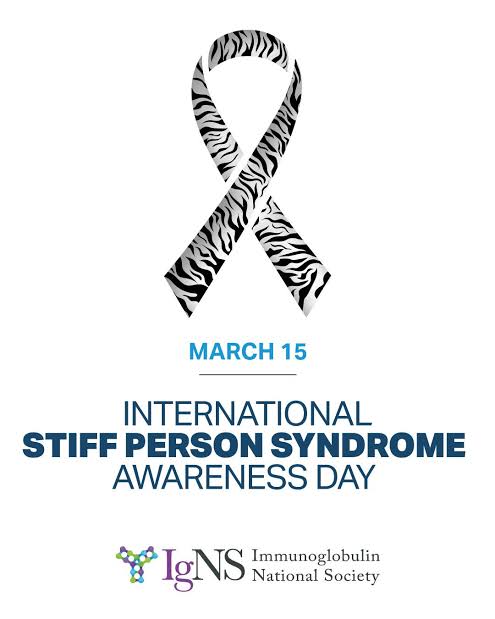
SPS is a rare autoimmune neurological condition in which the nervous system becomes overactive, leaving muscles stiff and prone to painful spasms. In SPS, the target is the central nervous system: the brain and spinal cord. The condition was once called "stiff-man syndrome," but the name was changed because women are affected too, and more often than men.
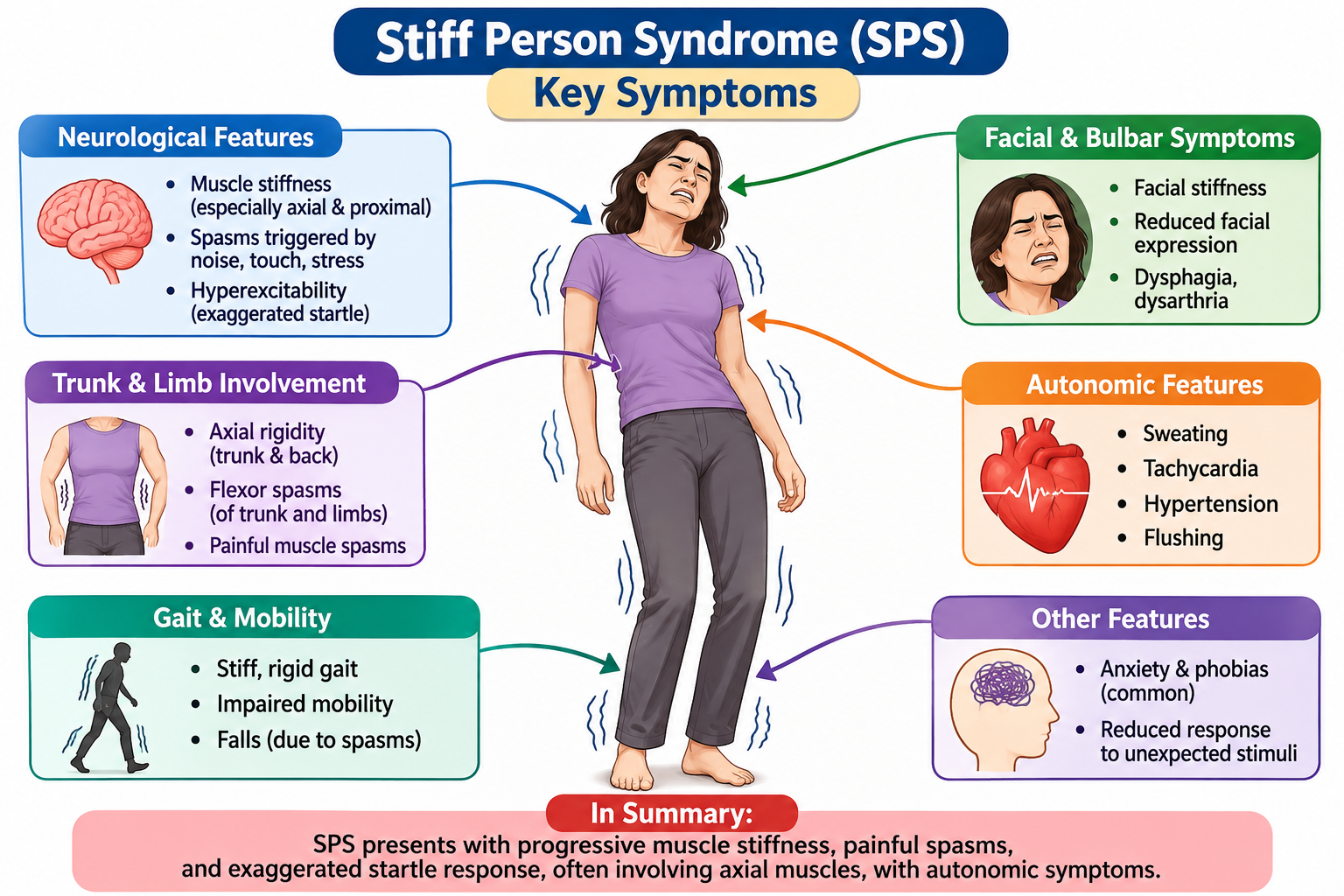
Symptoms of Stiff Person Syndrome
What are the Symptoms?
SPS is very rare. Estimates suggest it affects only about one or two people in a million. It usually appears in adulthood, often in the 30s to 50s, and it is more common in women than in men. Many patients also have other autoimmune conditions, such as type 1 diabetes or thyroid disease, which fits with SPS being an immune-driven disease.
SPS looks different from person to person, but these are the main features:
- Muscle stiffness. It usually starts in the trunk, abdomen, and legs, and can spread over time. Many people describe muscles that feel locked or board-like. Tight back muscles can make the lower back arch inward.
- Painful spasms. These are sudden, forceful muscle contractions that can last from seconds to minutes. Common triggers include a sudden noise, a light touch, cold, or emotional stress.
- Falls. A stiff body can't react the way a flexible one does, so people may fall without being able to put their hands out to protect themselves.
- Fear and anxiety. Because spasms can strike without warning, many people start avoiding situations that might set them off, such as busy streets or crowds. Anxiety is common and is understandably part of the picture.
- Ups and downs. Symptoms can come and go, and without treatment they can get worse over months or years.
Underlying Mechanism
One of the most important brake chemicals for muscle relaxation is called GABA. In many people with SPS, the immune system makes antibodies against a protein called GAD65, which helps the body produce GABA. With less GABA, the brakes work poorly, so nerves fire too much and muscles stay tense.
GAD65 antibodies are found in many (though not all) people with SPS. Some patients have other antibodies instead, such as ones aimed at amphiphysin or the glycine receptor, and a few have no antibody that tests can find. Scientists are still working out exactly how much the antibodies themselves cause the symptoms, and why the immune system turns on the body in the first place.
Epidemiology
SPS is very rare. Estimates suggest it affects only about one or two people in a million. It usually appears in adulthood, often in the 30s to 50s, and it is more common in women than in men. Many patients also have other autoimmune conditions, such as type 1 diabetes or thyroid disease, which fits with SPS being an immune-driven disease.
Types and Close Syndromes
Doctors sometimes talk about an "SPS spectrum" of related conditions:
- Classic SPS: stiffness mainly in the trunk and legs.
- Stiff-limb syndrome: stiffness focused on one limb, often a leg.
- PERM (progressive encephalomyelitis with rigidity and myoclonus): a more severe form that involves more of the brainstem and spinal cord.
- Paraneoplastic SPS: a rare form linked to cancer, in which the immune response to a tumor also affects the nervous system.
Reason for Delayed Diagnosis
The early signs of SPS can look like anxiety, back problems, Parkinson's disease, multiple sclerosis, or other conditions, and few doctors have seen a case. There is no single test. Neurologists usually put the picture together from the patient's history, a physical exam, blood (and sometimes spinal fluid) tests for antibodies, and a nerve and muscle test called an EMG, which can show muscles that keep firing even at rest. Many people wait years for an answer, which is one reason awareness matters so much.
CURRENT TREATMENT MODALITIES
There are two major paths one could take:
Toolkit 1: Alleviating the symptoms. Doctors commonly prescribe muscle-relaxing and anti-spasm medicines, such as diazepam or baclofen, to reduce stiffness and make movement easier.
Toolkit 2: Calming the immune system. Some patients also receive treatments that target the immune attack, such as intravenous immunoglobulin (IVIG, an infusion of antibodies from donors), plasma exchange (a procedure that filters the blood), or medicines that suppress parts of the immune system.
These treatments help many people, but they have real limits. Medicines can cause drowsiness and other side effects, and their benefits may fade over time. Immune treatments often need to be repeated, and not everyone responds.
The Mayo Clinic researchers made this point themselves: existing therapies mainly manage symptoms. The gap between controlling a disease and actually reversing it is why the new findings are getting so much attention.
Céline Dion and a Rare Disease in the Spotlight

For years, SPS was a name few people outside neurology clinics had heard. That changed when Céline Dion publicly shared her diagnosis in late 2022. She explained how the condition was affecting her ability to perform, and she later cancelled tour dates because of vocal and physical spasms. By speaking openly, she brought SPS into the public conversation in a way that patient groups had long hoped for.
What Is CAR-T Cell Therapy?
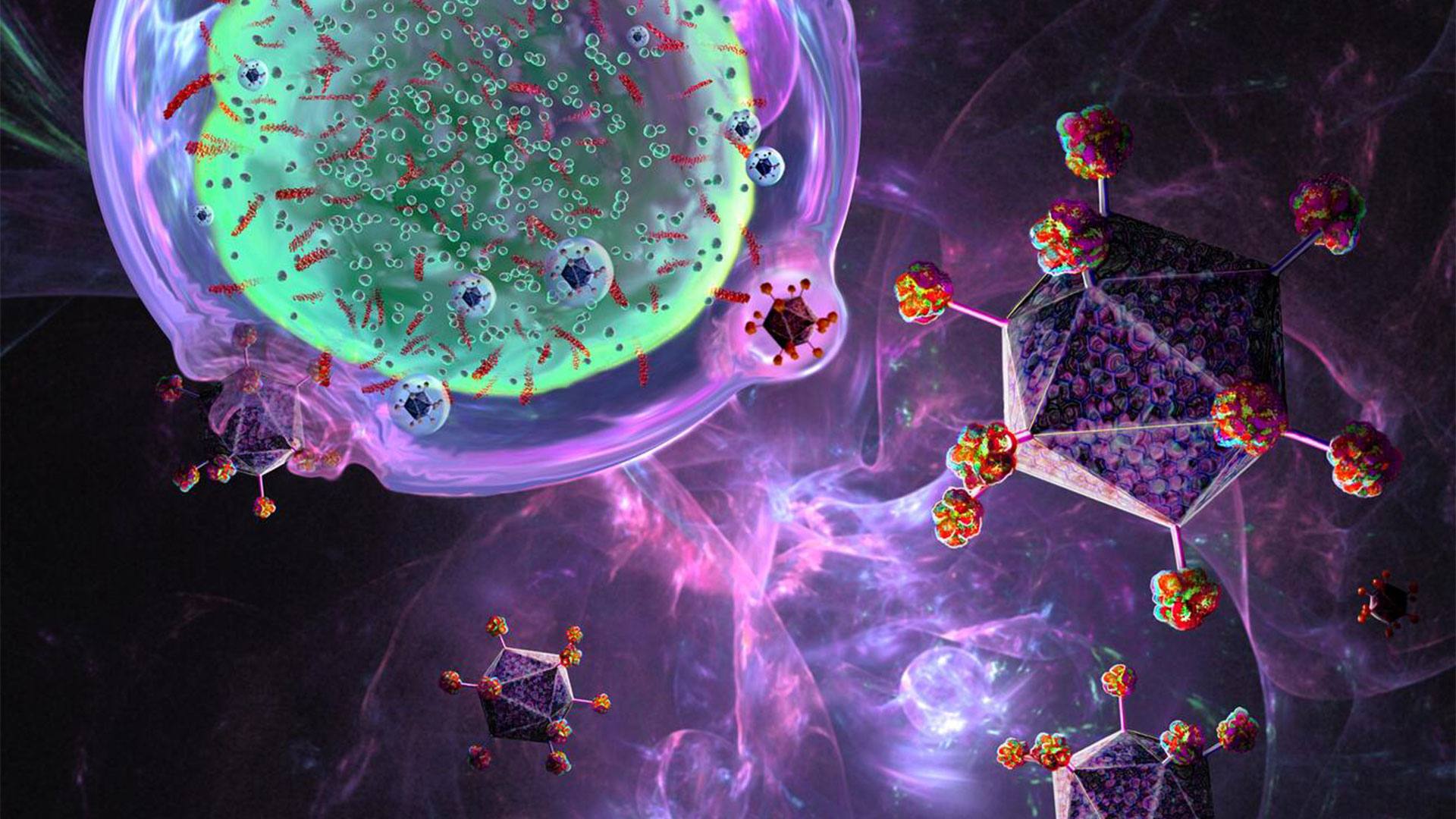
CAR-T Therapy
CAR-T stands for chimeric antigen receptor T-cell therapy. It was developed in cancer care, particularly for certain blood cancers, and it works by turning a patient's own immune cells into a targeted treatment.
Let's say, T cells are like security guards in your immune system. CAR-T gives those guards a new "wanted poster," so they know exactly which cells to hunt down. The process goes like this:
- Collect. Doctors draw blood and separate out the patient's T cells.
- Engineer. In the lab, the T cells are genetically modified to carry a receptor that recognizes a specific target.
- Multiply. The modified cells are grown into a much larger army.
- Return. The cells are infused back into the patient, where they seek out and destroy cells carrying the target.
In cancer, the target is on the cancer cells. In autoimmune disease, the idea is related but different: the engineered cells are aimed at the immune cells that are driving the disease. In many autoimmune studies so far, that has meant B cells, the cells that make harmful antibodies. Clearing them out may give the immune system a chance to rebuild itself without the faulty instructions.
Inside the Mayo Clinic Trial
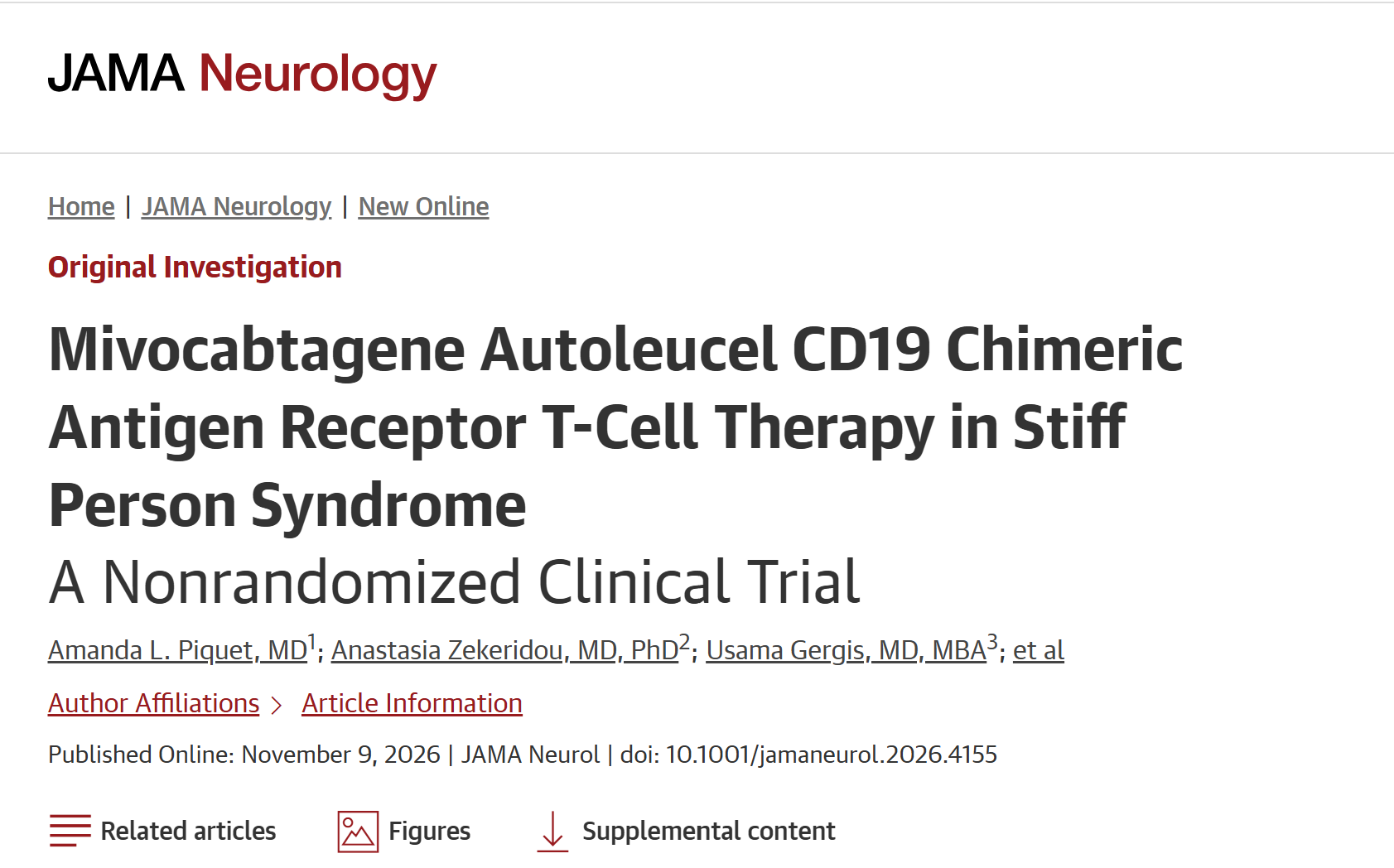
According to news reports, the trial took place at the Mayo Clinic in Rochester, Minnesota, and was described as novel. Researchers took patients' own T cells, engineered them, and used them to go after the disease-causing cells. The early results, published in JAMA Neurology, showed dramatic functional improvements among participants.
These weren't people with mild symptoms. Many had previously needed help with basic daily tasks and mobility, and several reported a complete reversal of their severe symptoms. Two participants stand out in the coverage:
- Jonathan Walden had relied on family members for everyday help. After treatment, he returned to full-time work and outdoor activities and reported no further episodes.
- Shari St Germain said she walked on a treadmill for the first time in years after her muscle stiffness and painful leg cramps rapidly eased.
Dr. Anastasia Zekeridou and Dr. Sean Pittock of the Mayo Clinic pointed out what sets this approach apart. Current therapies, they noted, mainly manage symptoms, while the CAR-T treatment allowed patients to regain their previous quality of life.
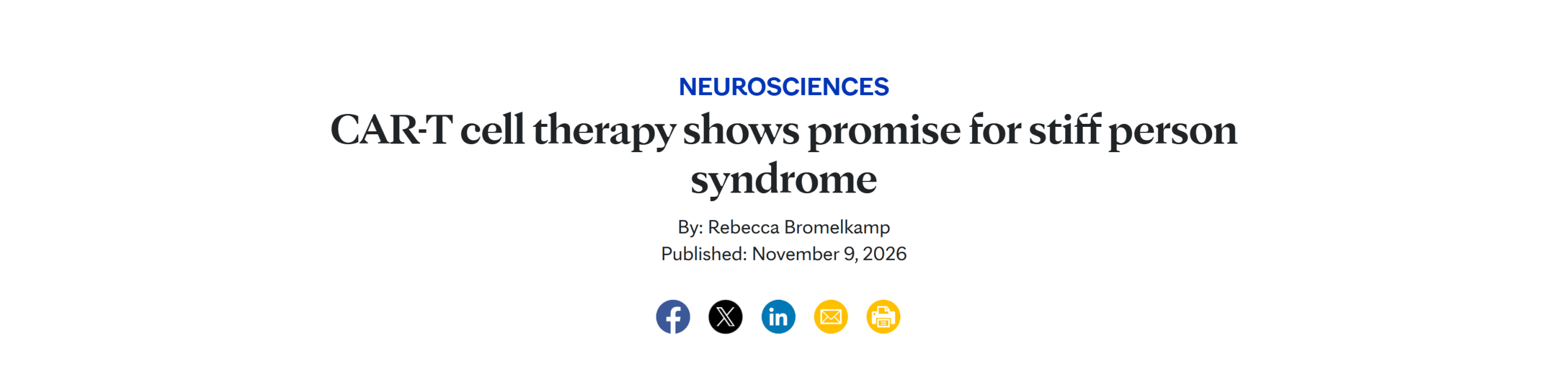
SIGNIFICANCE AND FURTHER CHALLENGES
Autoimmune diseases affect millions of people worldwide, and many of them are managed rather than cured. Conditions such as lupus, multiple sclerosis, and myasthenia gravis often call for lifelong medication, and treatments can bring side effects or only partial relief.
Researchers have been exploring CAR-T for some of these conditions. Early reports from small groups of people with severe lupus, for example, have generated a lot of excitement, and similar work is under way in other immune-mediated diseases. The SPS trial adds another data point to the idea that cell therapy might do something conventional drugs can't: reset an immune system that has gone wrong.
If this approach keeps succeeding, treatment could shift from long-term symptom control to a short, intensive treatment aimed at lasting remission. Doctors would also learn which diseases respond best, which targets work most effectively, and how to make the therapy safer. In that sense, a trial in a very rare condition can act as a proving ground for ideas that eventually help many more people.
Exciting as this is, CAR-T isn't ready to become a routine treatment for SPS or any other autoimmune disease. Here are the big open questions:
- Size and scope. Early trials usually involve small numbers of patients. Larger studies are needed to confirm that the benefits hold across different people and disease severities.
- Durability. It isn't yet clear how long the improvements will last, or whether some patients will relapse and need more treatment.
- Safety. CAR-T can cause serious side effects, including strong immune reactions and effects on the nervous system. Patients need specialized monitoring, and long-term safety in autoimmune disease is still being studied.
- Cost and access. CAR-T treatments are complex to make and expensive. Even if they work, reaching patients beyond a handful of specialist centers will be a major challenge.
- Regulatory approval. A treatment must pass further trials and regulatory review before it can become standard care for SPS.
These hurdles are normal for any new therapy. They're reasons for patience, not pessimism, and they're a good reminder to read breakthrough headlines with a careful eye.
CONCLUSION
The reported Mayo Clinic results may mark an important moment for stiff person syndrome. By adapting a cancer immunotherapy to retrain the immune system, researchers appear to have given some patients a level of recovery that standard treatments rarely deliver. People who once needed help with daily tasks are describing a return to work, exercise, and everyday life.
The findings are early, and larger, longer studies will show how safe and lasting the benefits are. Still, the bigger message is encouraging. For a disease that has long been managed rather than reversed, and for the wider family of autoimmune disorders, cell therapy is opening a new line of attack. Continued research, together with the awareness that public figures like Céline Dion have helped build, will decide how far that promise can go.
REFERENCES
Gupta S, Gelfand JM. Arrival of CAR T-Cell Therapies for Stiff Person Syndrome. JAMA Neurol. Published online November 09, 2026. doi:10.1001/jamaneurol.2026.4165
Piquet AL, Zekeridou A, Gergis U, et al. Mivocabtagene Autoleucel CD19 Chimeric Antigen Receptor T-Cell Therapy in Stiff Person Syndrome: A Nonrandomized Clinical Trial. JAMA Neurol. Published online November 09, 2026. doi:10.1001/jamaneurol.2026.4155
Rebecca Bromelkamp. CAR-T cell therapy shows promise for stiff person syndrome. Neurosciences. Mayo Clinic. November 9, 2026.
0 comments